

When emergencies strike, being prepared with the right kind of food can make all the difference. This article explores the essentials of emergency survival food, from what makes it unique to how to effectively manage a stockpile for any situation. Understanding these basics can empower individuals and families to face unexpected challenges with confidence, ensuring nutritional needs are met even when conventional food sources are unavailable.
Understanding Emergency Food Basics
Understanding emergency survival food requires a grasp of what distinguishes it from everyday groceries. At its core, emergency survival food is designed to meet basic nutritional needs during crises when regular food sources are not available.
The key components that define emergency survival food include shelf stability, nutritional content, ease of preparation, and portability. Shelf stability refers to the ability of food to be stored for long periods without spoiling. This is crucial during emergencies when access to fresh food might be limited or non-existent. Foods that are high in preservatives, dried, or canned typically provide this durability.
Nutritional content is another vital aspect. In times of crisis, maintaining health is paramount; therefore, emergency foods are often packed with essential vitamins and minerals to sustain an individual. These foods are balanced to provide energy, protein, fats, and carbohydrates that can help people maintain their strength and cognitive function under stress.
Ease of preparation is also a consideration that distinguishes emergency food. Because utilities like electricity and gas might be unavailable during disasters, these foods are designed to require minimal preparation. Options include ready-to-eat meals, freeze-dried foods that only need water, or simple heat-and-serve solutions. This simplicity ensures that individuals can focus more on safety and less on meal preparation complexities.
Lastly, portability plays a significant role in defining emergency survival food. During evacuations or when moving to safer locations, carrying heavy or bulky items is not feasible. Therefore, these foods are often lightweight and packaged in a way that makes them easy to transport. Items such as energy bars, dried fruits, or compact, high-energy meals are common because of their ease of mobility.
Overall, the defining characteristics of emergency survival food revolve around its practicality to support life during unforeseen circumstances. Whether facing natural disasters, pandemics, or other critical events, having access to food that is stable, nourishing, simple to prepare, and easy to carry can make a significant difference in survival and comfort levels.
Stockpiling Strategies and Management
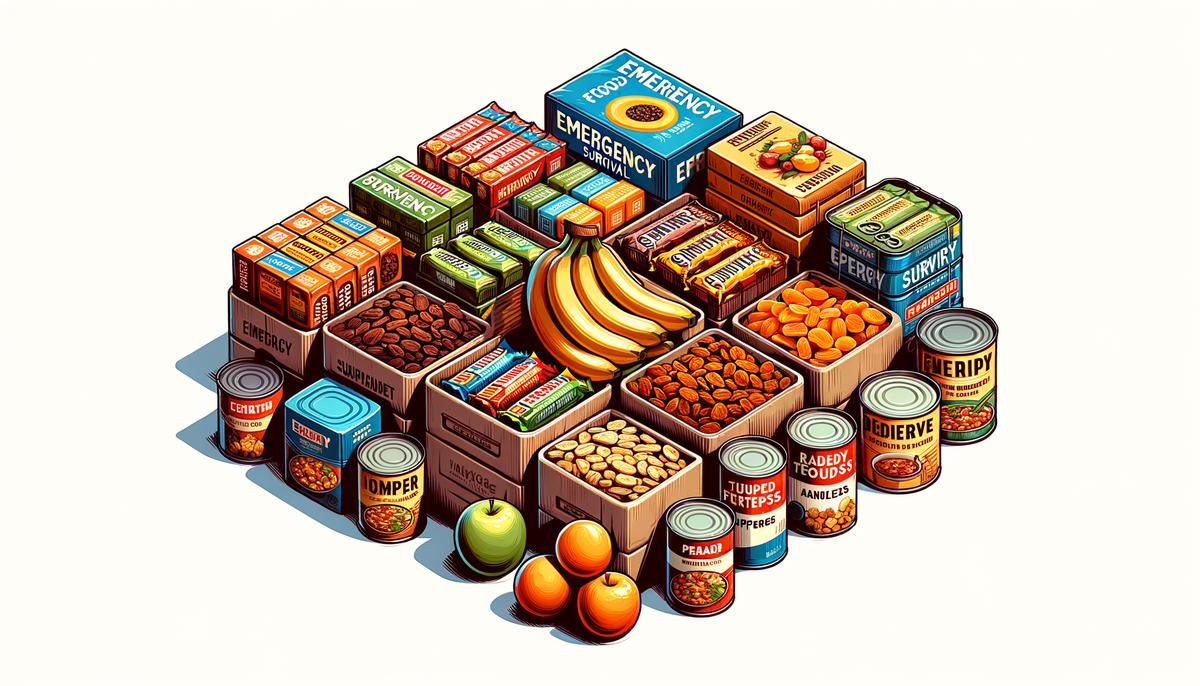
In crafting a strategy for accumulating and maintaining an emergency food supply, consideration of food volume and variety is crucial. Managing the quantity ensures that there is enough food for an extended period, while variety addresses the psychological and dietary needs during stressful situations.
Volume management begins with calculating the amount of food required per individual, per day, and then multiplying that by the desired number of days the stockpile is intended to cover. The Federal Emergency Management Agency recommends a minimum of a three-day supply of food for each person. However, for those aiming for a more extensive stockpile, planning for two weeks to a month is advisable. This calculation should be revisited and adjusted based on the household size and any changes in dietary needs.
When addressing variety, incorporating different food groups is vital to avoid nutritional deficiencies and overexposure to certain types of food, which can lead to appetite fatigue. Combining grains, proteins, fruits, and vegetables will ensure a more balanced diet. Despite the emphasis on shelf-stability, there are diverse options in each category that can meet these criteria, such as dried fruits and vegetables, canned beans, and grains like rice and pasta. To maintain a varied diet, it’s also smart to include food items that can be combined in different ways to prepare various meals, preventing monotony.
Proper storage conditions extend the life of emergency food supplies. Foods should be kept in a cool, dry location away from direct sunlight. Basements or cellars might be ideal, but a dedicated closet or cabinet in a stable environment can work well too. Maintaining an organized space where foods are clearly labeled with expiration dates ensures easier rotation and prevents waste. Regularly rotating stock by using older items and replacing them with newer purchases keeps the supply fresh and usable.
It’s essential to periodically review emergency food stock to adjust for changes in dietary restrictions, food preferences, or expiration dates. At least twice a year, conducting an audit of supplies ensures that expired or near-expiration items are replaced, and it provides an opportunity to refresh the stockpile with new items to keep variety.
Emergency preparedness is not only about having a stockpile but also involves planning how to sustain oneself with that stockpile. Critical to this process is understanding how much to store, what to store for balanced nutrition, and how to manage the logistics of storage and rotation. Through careful planning and management, individuals can develop a comprehensive approach to emergency food preparedness.
Homemade Versus Commercial Emergency Food
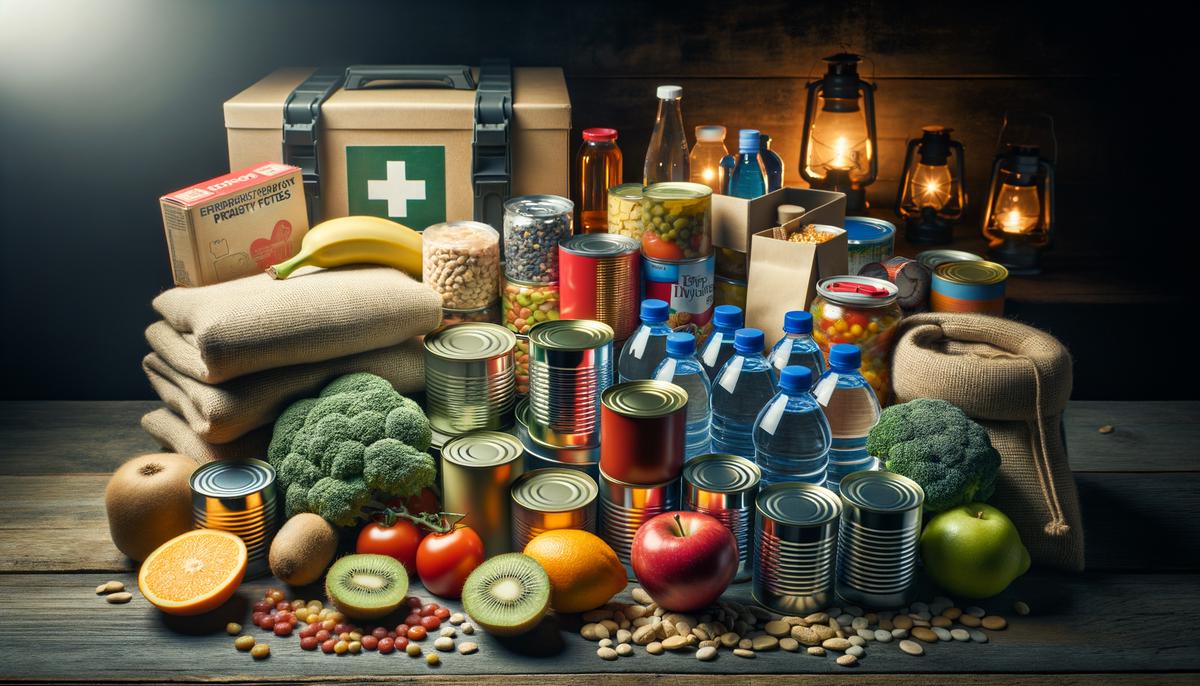
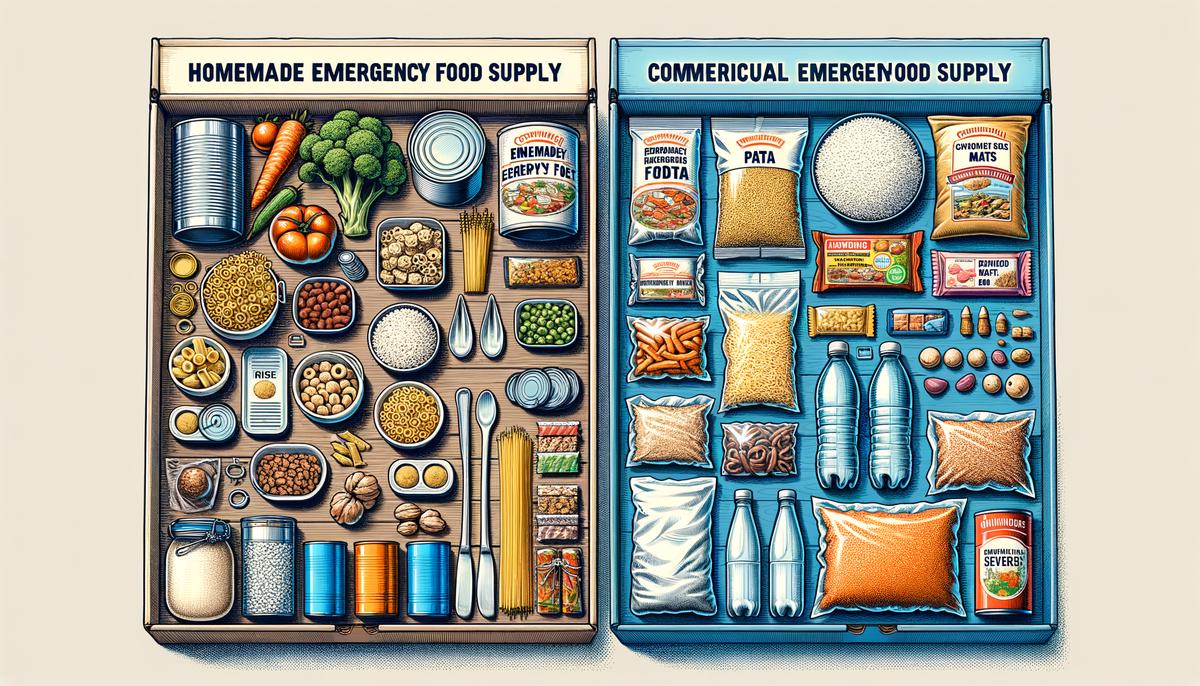
When weighing the decision between creating a homemade emergency food supply or purchasing commercial emergency supplies, several considerations come into play. It isn’t just about stacking cans and packets; it’s about assessing long-term feasibility, accessibility, and practicality in dire situations.
The Starting Point: Cost and Budgeting
Examining the cost is a primary concern for many. Initially, creating a homemade supply may seem more cost-effective as it allows for the gradual accumulation of items. You can buy in bulk when sales are available and slowly build a diverse stockpile without a significant financial strain. Conversely, commercial emergency food kits come with a hefty price tag upfront but are meticulously designed to cover a range of nutritional and caloric needs for specific durations.
Quality Control and Personal Preferences
Homemade emergency food supplies offer an invaluable benefit: control over what you’re storing. Families with dietary restrictions, allergies, or strong food preferences may find this aspect especially appealing. You can tailor your homemade supply to include preferred ingredients, avoid allergens and accommodate special dietary needs. Commercial kits might limit this flexibility, offering a one-size-fits-all approach that may not align with everyone’s health requirements or taste buds.
Preparation Time: An Important Consideration
When disaster strikes, the luxury of time often disappears. Herein lies the value of commercial emergency food supplies: they’re engineered for swift and straightforward preparation. Many options require nothing more than the addition of water, some even consumable directly from the package. This ease of preparation can be a game-changer in situations where time and resources are precious. In contrast, homemade supplies may demand more preparation time, which could turn cumbersome or even impossible during emergencies.
Longevity and Preservation
While both homemade and commercial options can be designed for long-term storage, commercial kits are explicitly created to withstand the test of time, boasting extended shelf lives that can span 25 years or more under ideal conditions. This long-term viability means less frequent rotation and less worry about spoilage. For a homemade supply, achieving a comparable shelf life would require meticulous packing, preservation techniques such as vacuum sealing, and continuous vigilance to ensure food remains viable and safe.
Convenience vs. Customization
Commercial kits offer unparalleled convenience. They come pre-packaged, with meals compartmentalized and calculated to ensure you have exactly what you need for the duration they’re intended to cover. This can take the guesswork out of emergency preparedness, providing peace of mind that, should the need arise, there’s a ready-to-go food source waiting. The trade-off, however, is a loss of customization and potentially a compromise in taste preferences.
On the flip side, a homemade supply champions customization, potentially offering a more palatable and familiar diet during stressful times. It affords the opportunity for more organic, non-GMO, or home-grown options, ensuring your emergency food supply aligns with your everyday eating principles.
Conclusion: Making the Informed Choice
Deciding between homemade and commercial emergency food supplies is not about picking the universally best option but selecting what best suits your family’s needs, budget, dietary restrictions, and preparation abilities. Consider the value of effort versus cost, the need for dietary control against the desire for convenience, and the balance between shelf life and quality of intake. Whether opting for the controlled, familiar process of building a homemade supply or leaning towards the convenience and longevity of commercial kits, the choice should empower you to face emergencies with confidence, knowing your nutritional needs are securely planned for.
Innovations in Emergency Food Technology
In recent years, technology has made significant strides in improving emergency food options, focusing on aspects critical to disaster readiness such as innovative packaging, enhanced nutrition through fortification, and the development of novel food sources.
One of the latest breakthroughs in emergency food technology is the advancement in packaging materials. Scientists and manufacturers have been experimenting with new types of packaging that not only extend the shelf life of food but also maintain its nutritional quality over time. For instance, vacuum sealing and nitrogen flushing are two processes that have seen widespread adoption. These methods significantly minimize oxygen exposure, which is responsible for food spoilage. As a result, foods packaged using these technologies can last much longer without losing their nutritional content or taste.
Another area of innovation is the fortification of emergency foods with vitamins and minerals. This ensures that, even in crisis situations, individuals have access to foods that support general health and well-being. Companies are now able to add nutrients that might be missing from a typical emergency diet, such as vitamin B12, iron, and calcium, creating a more balanced nutritional profile for their products. This is particularly important in emergency situations where access to a wide variety of foods might be limited, and nutritional deficiencies could easily occur.
Furthermore, research into alternative protein sources has led to the emergence of emergency foods that incorporate plant-based proteins and insect proteins. These new food sources offer sustainability benefits and provide high-quality proteins in compact, easy-to-store forms. Cricket flour, for example, is being used in energy bars, providing a high-protein, nutrient-dense snack option that’s both portable and shelf-stable.
Technological advancements have also facilitated the production of self-heating food packages, eliminating the need for cooking facilities. These packages use exothermic chemical reactions to heat food within minutes, making hot meals accessible anywhere, anytime without the need for additional utensils or fuel sources. This innovation is a game-changer for emergency situations where traditional cooking methods are not feasible.
Lastly, advancements in 3D food printing technology could revolutionize emergency food supplies by allowing for the custom creation of food items on demand. Although this technology is still in its infancy, it has the potential to produce nutrient-specific meals tailored to individual dietary needs, all while reducing waste and increasing efficiency in food distribution during emergencies.
Together, these technological advancements are helping to address some of the key challenges in emergency food preparation and storage. By making emergency foods more nutritious, longer-lasting, and easier to prepare, technology is playing a crucial role in enhancing food security during disasters.

As we’ve explored the multifaceted world of emergency food preparation and storage, it’s clear that thoughtful planning and technological advancements play pivotal roles in ensuring our resilience during crises. By embracing both traditional wisdom in stockpiling and innovative solutions like advanced packaging and alternative proteins, we equip ourselves with the tools necessary for sustenance in any scenario. Ultimately, preparing for emergencies with an informed approach to food storage not only enhances our chances of thriving during difficult times but also reinforces our commitment to safeguarding our well-being against unforeseen challenges.


