
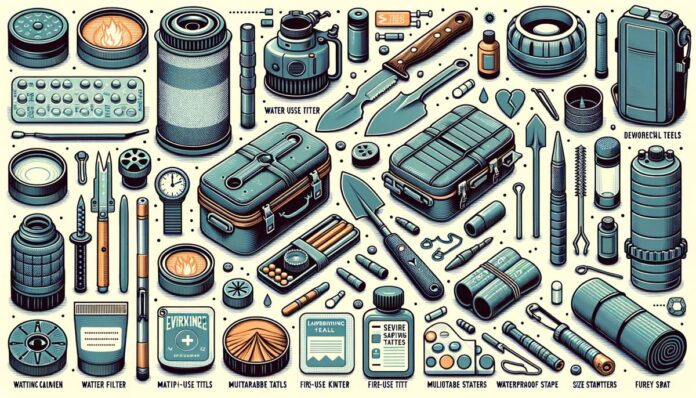
Preparing for the unexpected is a task that demands attention to detail and a deep understanding of one’s needs in various scenarios. Whether facing natural disasters, economic challenges, or societal disruptions, the right gear can significantly impact survival and resilience. This article aims to guide through essential items and strategies that enhance preparedness, ensuring one is well-equipped for any situation that may arise.
Essential Survival Gear Items
In the world of preparing for the unexpected, whether that’s natural disasters, economic downturns, or societal disruptions, having the right gear can make all the difference. Preppers often focus on ensuring they are well-equipped for any eventuality, adhering to the mantra “better safe than sorry.” Central to this preparedness is a collection of essential items designed to sustain life and improve chances of survival and resilience during challenging times. Here, we delve into the crucial pieces of gear every prepper should consider to be adequately prepared.
Water Filtration System
Access to clean drinking water is paramount. In many disaster scenarios, water supplies may become contaminated or altogether inaccessible. A reliable water filtration system, capable of removing bacteria, viruses, and other impurities, can turn uncertain water sources into drinkable water. Portability adds a layer of practicality for on-the-go needs or evacuation scenarios.
Food Supplies
A stockpile of non-perishable food items is a cornerstone of prepper gear. Options like freeze-dried meals, canned goods, and energy-dense snacks are popular due to their long shelf lives and ease of storage. It’s crucial to consider dietary needs and preferences, as well as ensuring a balanced intake of nutrients.
Multipurpose Tools
A tool that serves numerous functions can save space and weight, both vital concerns for preppers. The quintessential example is a high-quality multitool, incorporating knives, pliers, screwdrivers, and more, in one compact package. These tools can address a wide range of tasks from fixing equipment to preparing food.
First Aid Kit
Preppers know the importance of being able to address medical needs. A comprehensive first aid kit should include items for treating cuts, breaks, burns, and other common injuries. Customizing your kit to include personal medication and learning basic first aid skills can exponentially increase its value.
Emergency Shelter
Having the means to create shelter can protect from the elements which is critical in many scenarios. This gear might include tents, tarps, and sleeping bags rated for various temperature conditions. Lightweight and portable options are favored, providing flexibility across different environments and situations.
Lighting and Power Sources
The ability to generate light and power in the absence of electricity grants a significant advantage. Solar chargers, hand-crank radios, flashlights, and headlamps are indispensable. These items can maintain communication lines, provide light during blackouts, and power other essential gadgets.
Fire Making Tools
The ability to start a fire is invaluable for warmth, cooking, and sterilization. Waterproof matches, lighters, and ferro rods are common pieces of gear that ensure one can create fire in wet or windy conditions. Practicing fire-making skills enhances reliability in their use.
Self-Defense Items
Depending on legal constraints and individual preferences, having means for self-defense may be deemed necessary. This could range from pepper spray and tactical pens to firearms where permitted. Training and responsible usage practices are crucial components of incorporating self-defense gear.
Finally, an often-overlooked aspect of prepping is knowledge and information. Owning the right gear is one thing, but knowing how to effectively use it under stress tests the mettle of any prepper. Manuals, guides, and regular practice with your gear can ensure that when the time comes, you’re ready not just in equipment but also in skill and confidence. Preparing for the uncertain requires a blend of material readiness and mental fortitude, embodied by the thoughtful selection and use of essential prepper gear.

Food Preservation and Storage
In the realm of prepping for long-term reliability, one of the critical aspects to consider is the efficient storage and preservation of food. As we navigate through the intricacies of ensuring a stable supply of food in uncertain times, several strategies stand out for their effectiveness in helping preppers maintain an enduring food cache.
Drying and Dehydrating Foods: A timeless method, drying significantly reduces the moisture content in food, inhibiting the growth of bacteria, yeast, and mold. Home dehydrators or traditional sun-drying techniques can be used for fruits, vegetables, herbs, and meat. Dehydrated foods are lightweight, making them ideal for space-saving storage and ease of portability.
Canning: This process involves placing foods in jars or cans and heating them to a temperature that destroys microorganisms and inactivates enzymes. As the jars cool, a vacuum seal forms that prevents any new bacteria from contaminating the food. Canning can be done using a water bath method for high-acid foods like fruits or with a pressure canner for low-acid foods such as vegetables and meats.
Freezing: For those with access to electricity and a reliable freezer, freezing remains an excellent option for preserving a wide variety of foods, including fruits, vegetables, meats, and cooked dishes. While freezing maintains food quality over long periods, the dependency on power limits its reliability in off-grid scenarios or during extended outages.
Salting and Curing: Salting draws moisture out of food through the process of osmosis, which helps to preserve it. Curing combines salting with the addition of nitrates or nitrites and sometimes smoke. Techniques such as dry curing and brining (wet curing) enhance flavor while increasing the shelf life of meats and fish.
Root Cellaring: For those seeking simplicity, a root cellar or a similarly cool, dark, and humid storage area can extend the shelf lives of root vegetables, winter squashes, and certain fruits well through the off-season without the need for processing.
Vacuum Sealing: Removing air from packaging prior to storage significantly slows the degradation process and prevents freezer burn for frozen goods. Vacuum-sealed dry goods, such as grains and legumes, also benefit from enhanced longevity thanks to reduced exposure to oxygen, pests, and moisture.
Stock Rotation: An often-overlooked aspect of food preservation is the practice of rotating supplies to ensure older items are used before expiration dates. This method applies to all manner of stored foods, emphasizing the importance of keeping track of stock and managing use-by dates effectively.
Each food preservation method offers its own set of advantages, tailored to individual prepping strategies and available resources. Whether aiming for independence from conventional food supply chains or preparing for unpredictable future events, integrating multiple food preservation techniques provides a robust foundation for long-term food reliability.

Navigation and Communication Tools
Navigating a world filled with unforeseen challenges, preppers know the importance of being well-equipped not only with physical supplies but also with essential navigation and communication tools. For people dedicated to preparedness, the ability to find one’s way and stay connected with others cannot be overstressed. These tools become their lifeline when standard systems fail.
Compasses and maps stand as the foundation of navigation for preppers. Despite the prevalence of digital devices, the elegance of a compass coupled with a physical map provides an unfailing solution to location finding and route planning in scenarios where electronic devices might falter. Learning to read topographic maps and navigate using landmarks and stars is a critical skill for anyone serious about preparedness.
Beyond the basics, GPS devices bring modern technology into the prepper’s toolkit. Durable, portable, and increasingly affordable, GPS units can pinpoint locations, help navigate to specific coordinates, and track movements across unknown terrains. They are particularly useful when re-establishing contact with civilisation or navigating to rendezvous points post-disaster.
When it comes to communication, the reliance on cellular networks or the internet proves risky in emergency situations where these could be down. Here, alternative communication tools come into play. Hand-cranked or battery-operated radios remain a mainstay for receiving weather alerts, news updates, and emergency broadcasts. The beauty of these devices lies in their simplicity and reliability, requiring minimal power sources to stay informed.
In terms of two-way communication, walkie-talkies emerge as a reliable option for preppers. Operating on specific frequencies without the need for cell towers, these devices facilitate direct communication within a certain range. They prove invaluable for coordinating movements within a group or checking on family members in other locations during crises.
For long-distance communication, when traditional systems fail, HAM radios offer a lifeline. They require a license to operate legally, but the investment in getting familiar and certified with amateur radio equipment ensures that one can reach out and connect with a network of operators worldwide – an invaluable resource during widespread disasters.
All these tools underline a fundamental prepper principle: independence and resilience through preparation. Whether navigating unknown territories or establishing vital communication lines during emergencies, the key is mastering these tools before they’re needed. Incorporating them into regular preparedness drills and ensuring all family members are familiar with their operation enhances each tool’s utility, truly preparing one for the unexpected parameters of future crises.

First Aid and Medical Preparedness
Assembling a comprehensive first aid kit is a pivotal aspect of preparation for any prepper. This vital resource ensures that in the event of a minor injury or a more severe medical emergency, you have the tools and supplies needed to respond effectively. Emphasizing the essentials, this guide focuses on the necessary components and considerations to equip preppers with the knowledge to assemble an all-encompassing first aid kit.
Bandages and Dressings
A first aid kit must house a variety of bandages and dressings to address different types of injuries. Include adhesive bandages in various sizes for minor cuts and scrapes. Sterile gauze pads and rolled gauze can manage larger wounds, providing the necessary coverage and support. Don’t overlook the importance of having waterproof and hypoallergenic options available for sensitive skin types or wet conditions.
Antiseptics and CleanersInfection prevention is crucial. Stock your first aid kit with antiseptic wipes or sprays to cleanse wounds before dressing. Hydrogen peroxide and alcohol can be useful, but they must be used with caution to avoid tissue damage. Consider incorporating saline solution not only for cleaning wounds but also for flushing out eyes should debris or chemicals cause irritation.
MedicationsOver-the-counter medications can alleviate a variety of symptoms and prevent minor ailments from worsening. Include pain relievers such as acetaminophen or ibuprofen to manage pain and reduce fever. Antihistamines for allergic reactions, anti-diarrheal medications, and antacids for stomach upset are also crucial. Remember personalized medications for those with specific health conditions, ensuring you’re prepared for unforeseen health issues.
- Tools and Instruments
Certain tools can be indispensable in an emergency situation. Scissors are necessary for cutting dressings to size, while tweezers can be vital for removing debris from wounds or splinters. A thermometer for monitoring fever, nitrile gloves for infection control, and a manual resuscitator can be significant additions to your first aid kit. Each tool serves a distinct purpose, underscoring the need for comprehensive preparation.
Specialized SuppliesWhile the basics cover many situations, consider adding items for particular circumstances. For example, a tourniquet could be life-saving in controlling severe bleeding, whereas thermal blankets can retain body heat in those experiencing shock or hypothermia. Understanding the specific risks in your area or for your planned adventures can guide these specialized selections.
Maintenance and Training
Merely stockpiling supplies does not equate to full preparedness. Regular checks to replace expired items and replenish used supplies are essential upkeep responsibilities. Equally important is gaining fundamental first aid knowledge and skills through courses or certified training programs. Knowing how to effectively use the items in your kit is as crucial as the items themselves.
Considerations for Diverse NeedsYour first aid kit should reflect the unique needs of your family or group. Account for children, the elderly, or individuals with chronic conditions by including appropriate supplies. Moreover, customization for pets, if they’re part of your household or prep plan, ensures holistic preparedness.
In conclusion, assembling a comprehensive first aid kit requires thoughtful consideration of the essentials and specialized items tailored to specific needs and scenarios. By focusing on these critical components, preppers can ensure they’re equipped to address a wide range of emergencies, prioritizing health and safety when it matters most.

Through careful selection and regular practice with essential gear, preppers can stand ready to face whatever challenges come their way. The key lies not only in gathering the right tools but also in mastering their use and understanding their role within a broader preparedness strategy. By focusing on these critical aspects of preparation, individuals ensure they are not just surviving but thriving in the face of adversity, embodying resilience and independence at every step.


